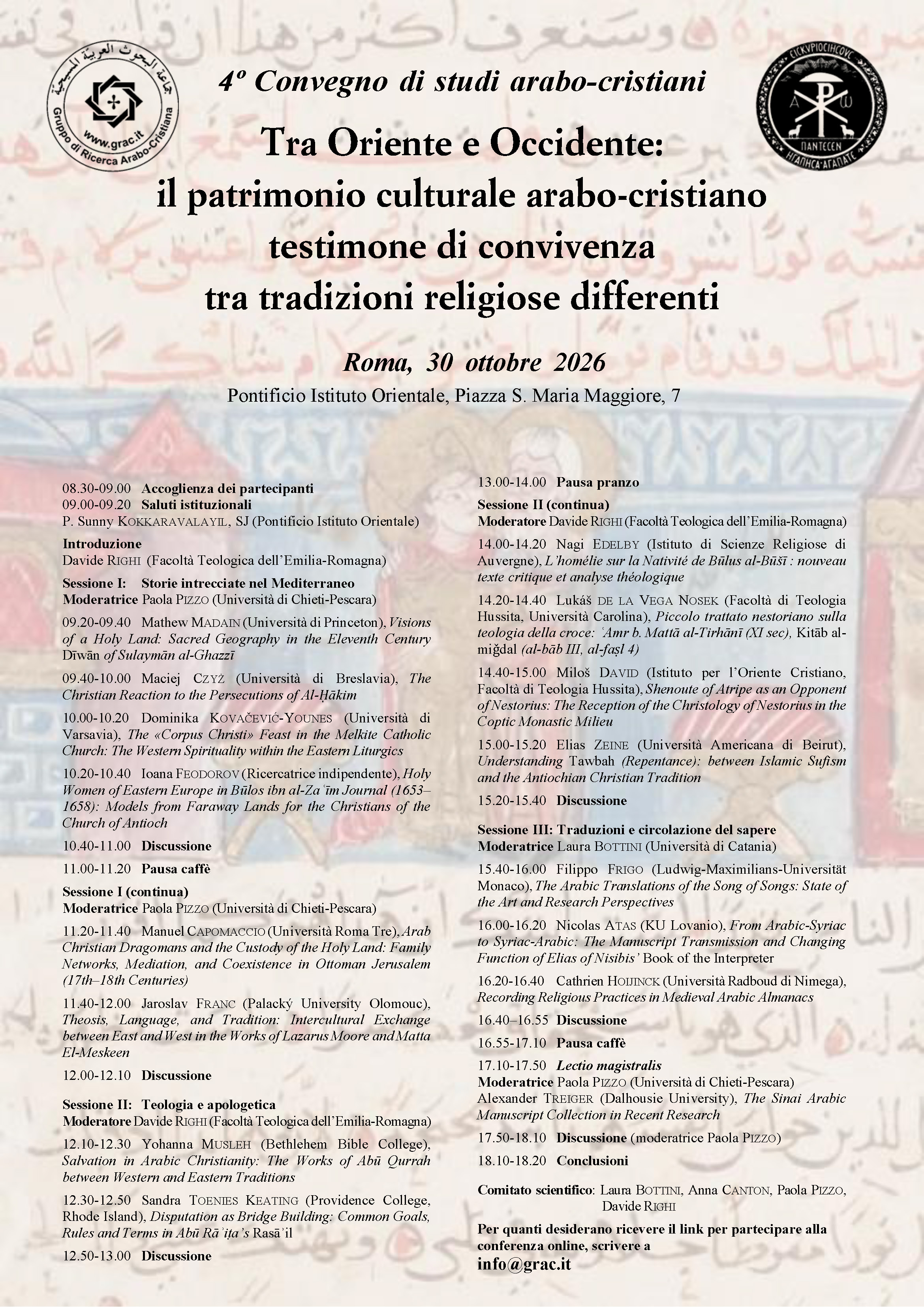
Final program of the 4th Conference of Arab-Christian Studies:
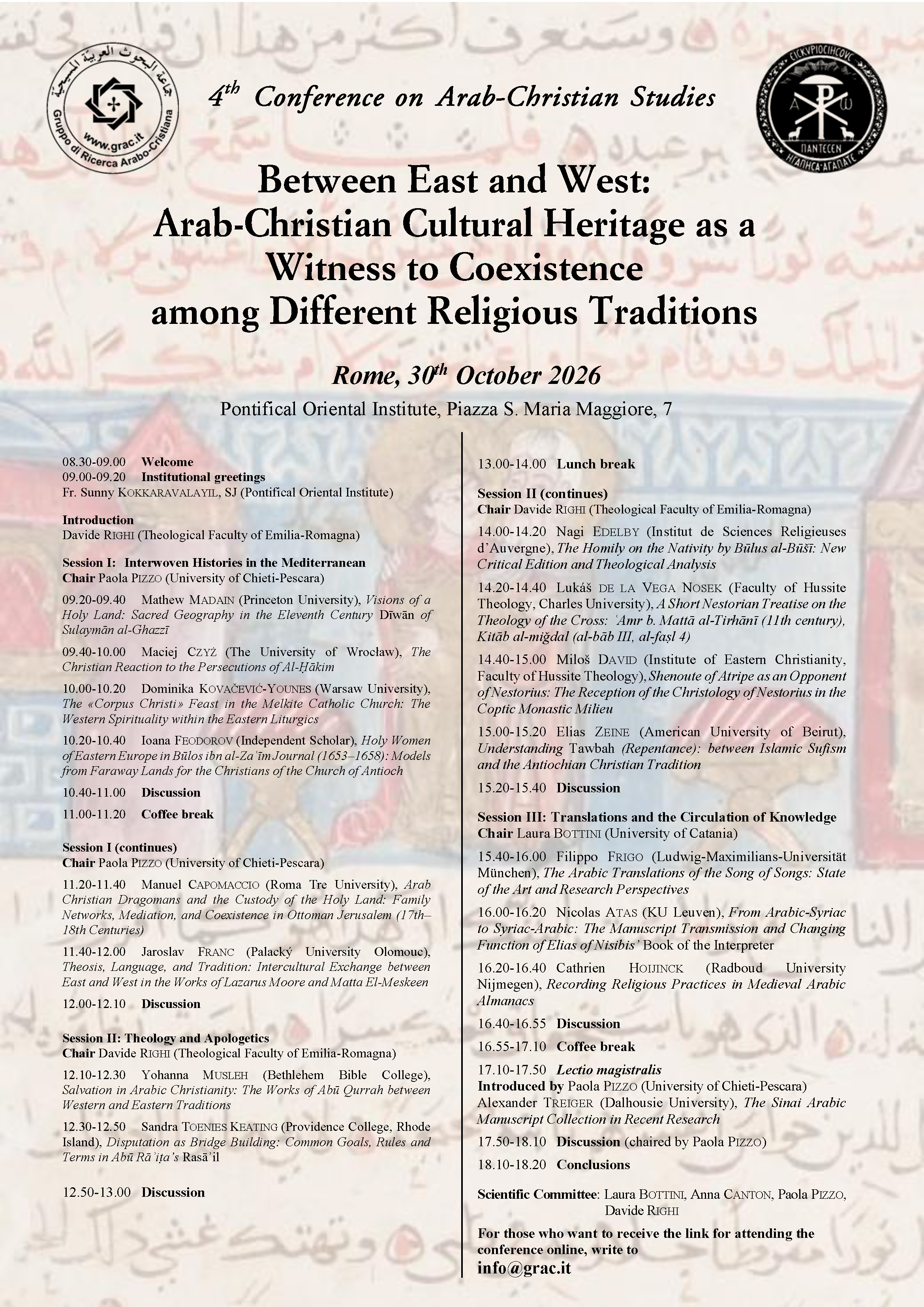
Download program in pdf (IT and EN).
To register, please fill out the following form:
https://forms.gle/ZRt6pgNrBf7bebdp8
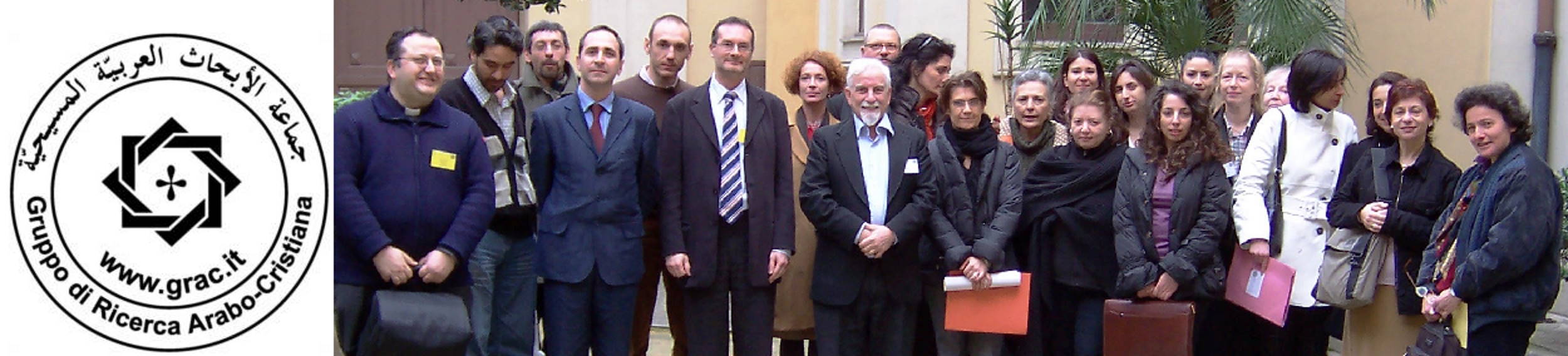
Roma, Pontificio Istituto Orientale, foto del convegno GRAC tenutosi nell'anno 2009
 |
|
 |
 |
 |
 |
 |
 |
 |
 |
 |
 |
 |
 |
 |
 |
 |
 |
 |
 |
 |
 |
 |
 |
 |
 |
 |
 |
 |
 |
 |
 |
 |
 |
 |
 |
Final program of the 4th Conference of Arab-Christian Studies:
Download program in pdf (IT and EN).
To register, please fill out the following form:
https://forms.gle/ZRt6pgNrBf7bebdp8
Collana PCAC (IT)
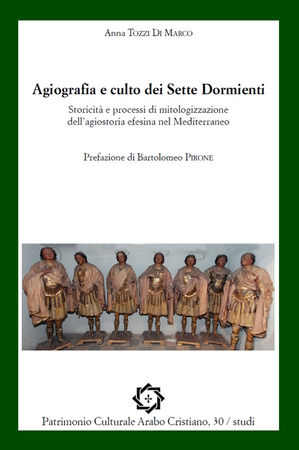
Anna Tozzi Di Marco, Agiografia e culto dei Sette Dormienti. Storicità e processi di mi
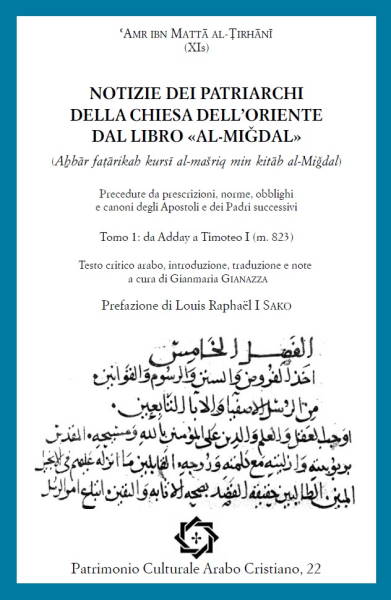
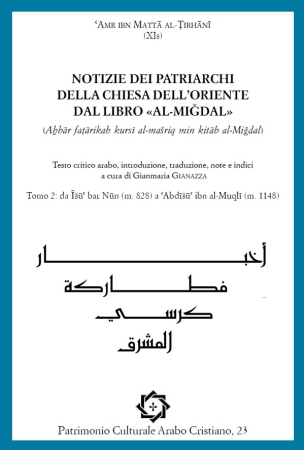
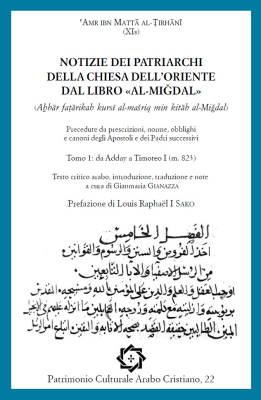
ʿAmr ibn Mattā al-Ṭirhānī, Notizi
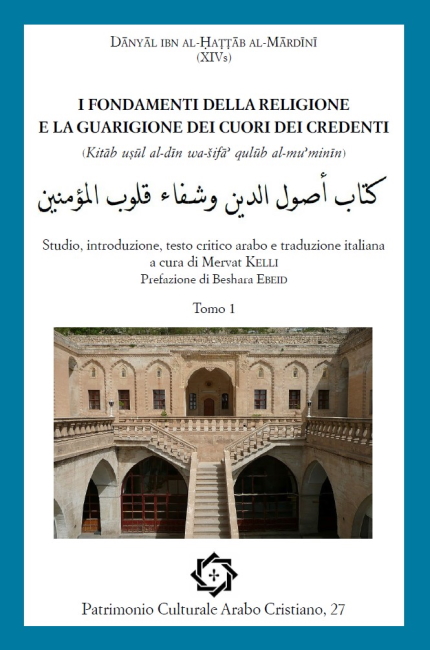
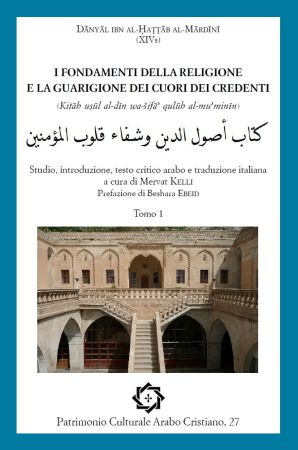
Dānyāl ibn-al Ḥaṭṭāb al-Mārdīnī, I fondamenti della religione
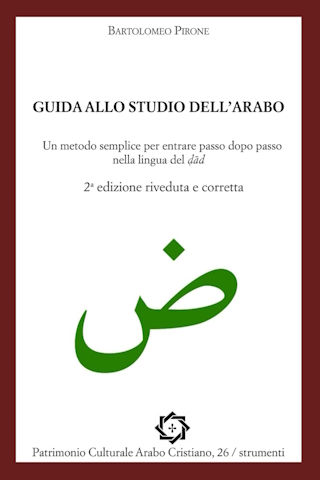
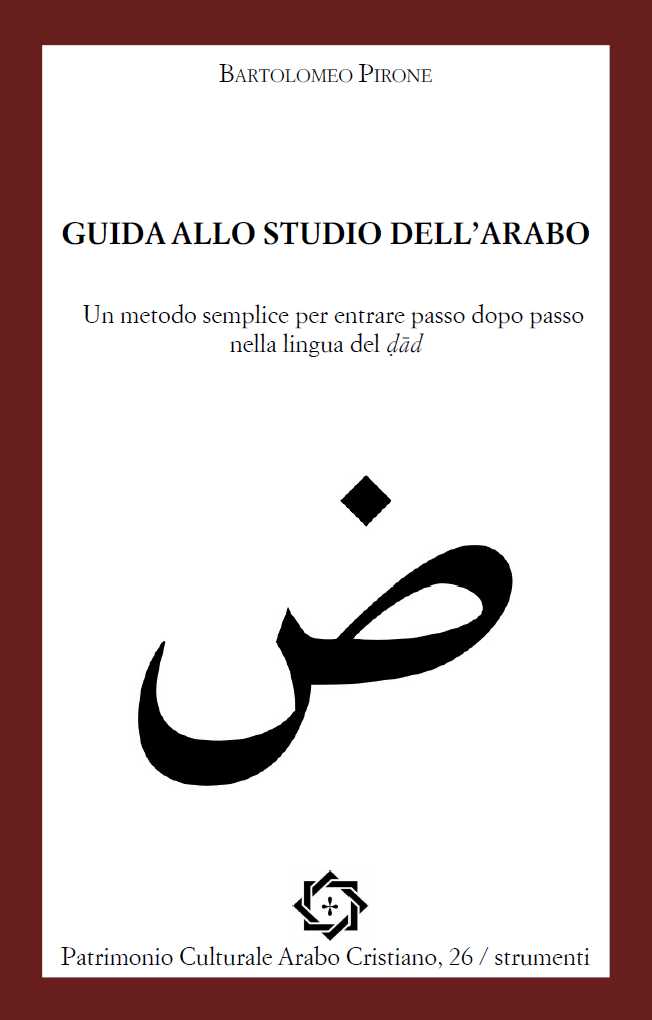
Bartolomeo Pirone, Guida allo studio dell'arabo. Un metodo semplice per entrare passo dopo passo nella lingua del ḍād, Bologna: Edizioni d
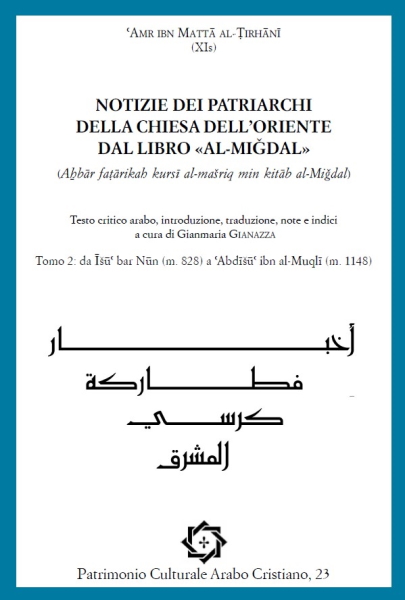
ʿAmr ibn Mattā al-Ṭirhānī, Notizi
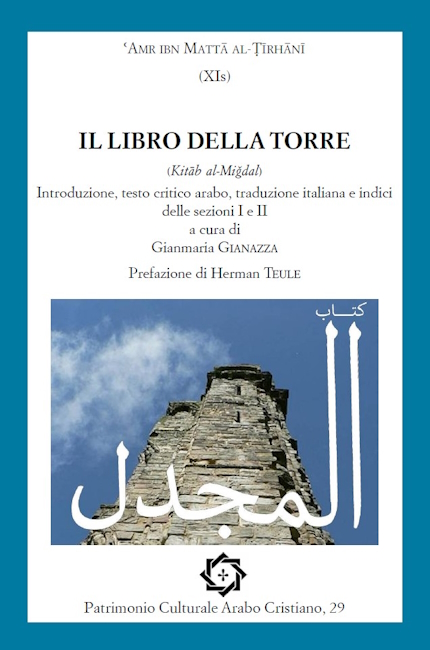
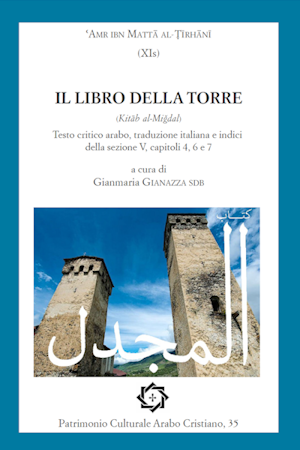
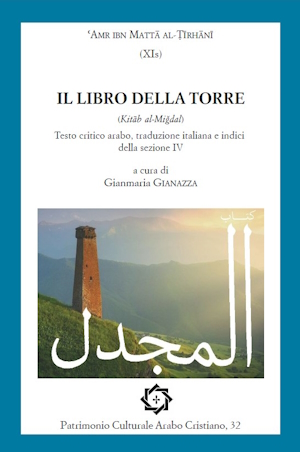
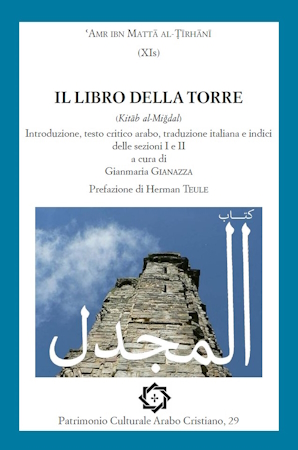
ʿAmr ibn Mattā al-Ṭīrhānī (XIs), Il Libro della Torre.

ʿAmr ibn Mattā al-Ṭīrhānī (XIs), Il Libro della Torre. «Kitāb al-Miǧdal», testo critico arabo e traduzione italiana della sezione III a cu
ʿAmr ibn Mattā al-Ṭīrhānī (XIs), Il Libro della Torre. «Kitāb al-Miǧdal», testo critico arabo e traduzione italiana della sezione IV a cur
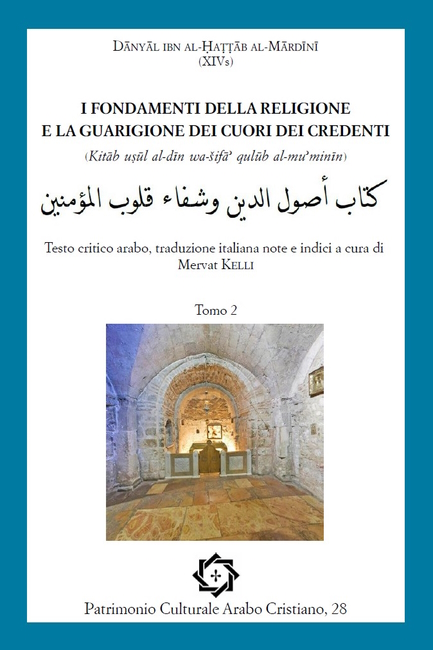
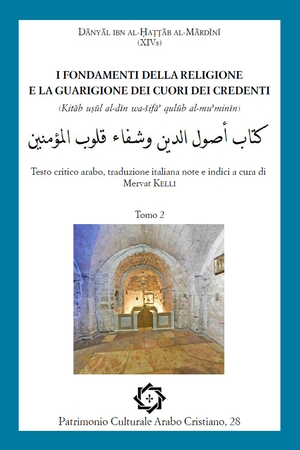
Dānyāl ibn-al Ḥaṭṭāb al-Mārdīnī, I fondamenti della religione

Le confessioni dei Padri («Iʿtirafāt al-abāʾ»). Tomo 1: Un testo tradizionale di spiritualità della Chiesa copta

Elia II (m. 1131), I fondamenti della religione
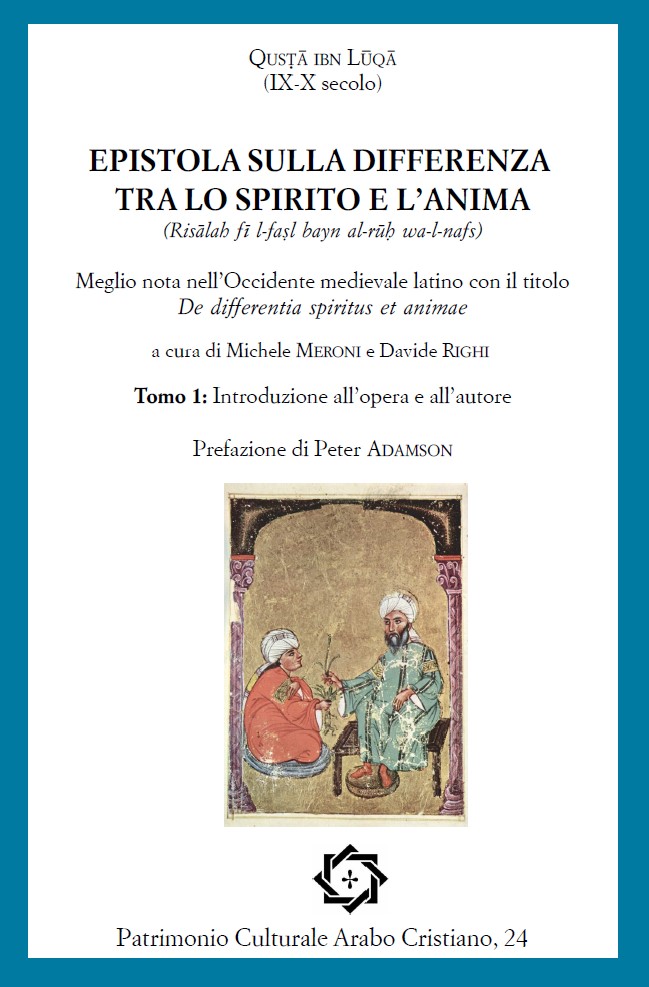
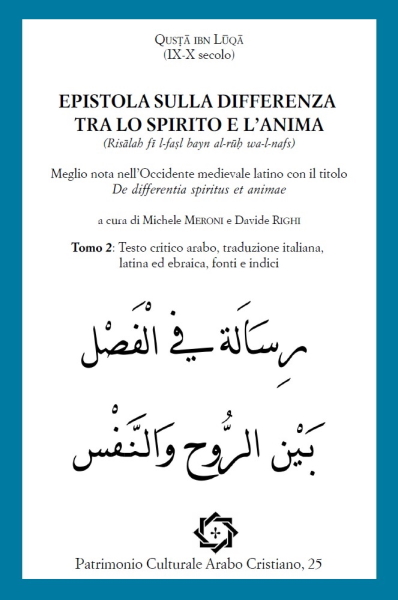
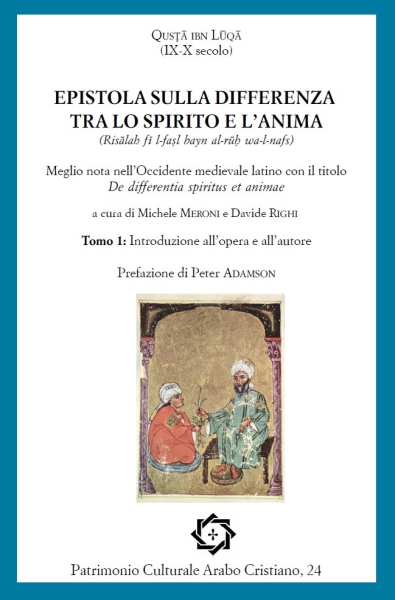
Qusṭā ibn Lūqā, Epistola sulla differenza tra lo spirito e l'anima (R

ʿAmr ibn Mattā al-Ṭīrhānī (XIs), Il Libro della Torre. «Kitāb al-Miǧdal», testo critico arabo e traduzione

ʿAMR IBN MATTĀ AL-ṬĪRHĀNĪ, Il libro della torre («Kitāb