















 Buy it on
  Amazon
 Amazon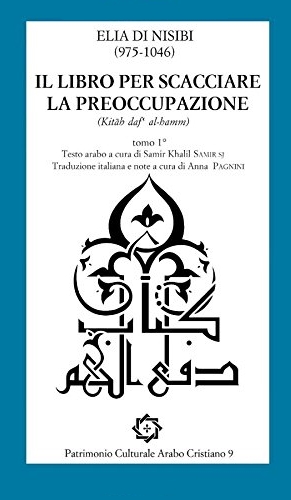
Elia di Nisibi, Il libro per scacciare la preoccupazione, Kitāb dafʿ al-hamm
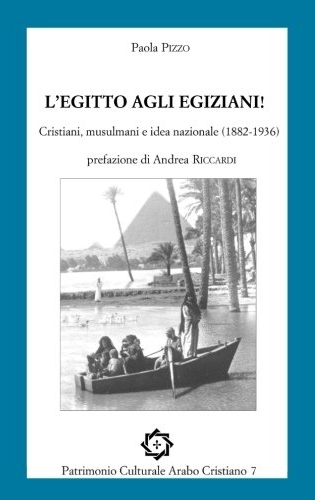
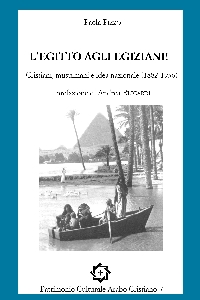
Paola Pizzo, L’Egitto agli egiziani! Cristiani, musulmani e idea nazionale (1882-1936), prefazione di Andrea Riccardi, 2017 (ed. orig. 2002), 318p., isbn 978-1542337250
Reprint of 2002 edition
- Details
- Category: PCAC Series (EN)
Read more: PCAC 07 (Patrimonio Culturale Arabo Cristiano vol. #7) (EN)
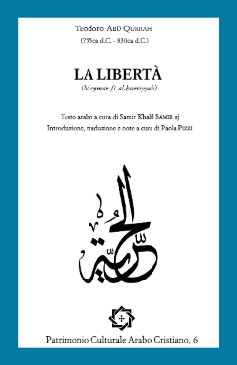
Teodoro Abū Qurrah, Trattato sulla libertà, testo arabo a cura di Samir Khalil Samir, introduzione, traduzione, note ed indici a cura di Paola Pizzi (it's the 1st reprint of 2001 edition), 270p., Independently published, Bologna 2020.
isbn 9781535204989
ثَاوُدُورُسُ أَبُو قُرَّة
مَيْمَرٌ في الْحُرِّيَّةِ
مَيْمَرٌ يُحَقِّقُ لِلإنْسَانِ حُرِّيَّةً ثَابِتَةً مِنَ اللهِ فِي خَلِيقَتِهِ
وأَنَّ حُرِّيَّةَ الإنْسَانِ لاَ يَدْخُلُ عَلَيْهَا الْقَهْرُ
مِنْ وَجْهٍ مِنَ الْوُجُوهِ بَتَّةً
حَقَّقَهُ الأَبُ
سَمِير خَلِيل سَمِير
دَرَسَتْهُ، تَرْجَمَتْهُ إِلَى اللُّغَةِ الإِيْطَالِيَّةِ، وَأَلَّفَتِ الْفَهَارِسَ
الدُّكْتُورَة ﭘـَوْلاَ ﭘـِــيزِّي
This treatise is one of Theodore Abū Qurrah’s (750-825) works written in Arabic. This Melkite bishop initiated a new theological and philosophical age in Middle Eastern Christianity. From the end of the eighth through the beginning of the ninth century A.D., the Church was engaged in a detailed process of comparing Christianity with Islam. In fact, the theological influence of Christianity upon Islam is still being discussed by scholars today. This fluid environment is reflected in Theodore Abū Qurrah’s treatise by his choice of subjects, literary style, and language. Human freedom, personal responsibility, eternal punishments and rewards, the origin of good and evil, and so on, were the subject of discussion between philosophers of both traditions. In this on-going debate Theodore Abū Qurrah, an expert in «‘ilm al-kalām» (scholastic theology), offered his apology for human freedom against schools of Islamic thought committed to the doctrine of Predestination.
- Details
- Category: PCAC Series (EN)
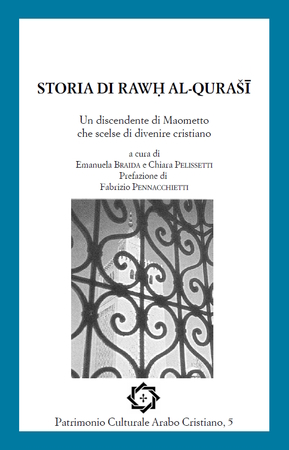
Storia di Rawḥ al-Qurašī. Un discendente di Maometto che scelse di divenire cristiano, introduzione, traduzione, note ed indici a cura di Emanuela Braida e Chiara Pelissetti, Bologna, Edizioni del Gruppo di Ricerca Arabo-Cristiana, Bologna reprint 2023 (ed. orig. 2001)
isbn 9791280091123
Selected pages
A short Arab Christian anonymous manuscript prompts an historical “detective story” that could have been written in the “Thousand and One Nights”. The ensuing study takes as its point of departure the hagiographic text of the “Passion of Rawḥ al-Qurashi”. The author attempts to demonstrate the historical existence of the martyr, a grandson of Caliph Harūn al-Rashīd. This young Muslim aristocrat deeply moved by the miracles attributed to Saint Theodore aban-doned the comforts of the world and undertook a long spiritual and geographical journey that led him to martyrdom for his faith in Christ.
- Details
- Category: PCAC Series (EN)
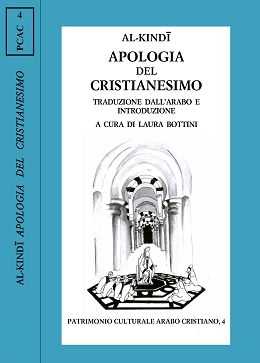
ʿAbd al-Masīḥ al-Kindī, Apologia del cristianesimo, introduzione, traduzione, note ed indici a cura di Laura Bottini, (1998), 316p., isbn 9788816404571
Probably written during the caliphate of al Ma’mun (813-833), this apology is part of the rich literary heritage of Islamic-Christian controversy. The work consists of two letters. The first, purportedly written by a Muslim, affectionately invites a Christian to convert to Islam. The second, the Christian’s response, is written with an overflowery prose and ironic tone as he refuses to embrace Islam and praises the logical coherence and moral excellence of his religion. Going beyond a mere apology, this refutation of Islam by ‘Abd al-Masīḥ al-Kindī became extremely popular in Europe in the 12th century and helped to shape the conventional view of Islam during the High Middle Ages.
- Details
- Category: PCAC Series (EN)
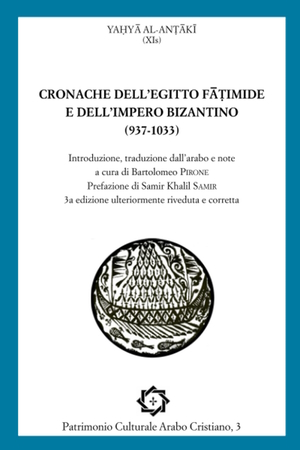
Yaḥyā al-Anṭākī, Cronache dell’Egitto fāṭimide e dell’impero bizantino, introduzione, traduzione dall'arabo e note a cura di Bartolomeo Pirone, prefazione di Samir Khalil Samir, 3a edizione ulteriormente riveduta e corretta (Bologna 2023), 404p., isbn 9781535396271
In a chronicle of epic sweep, Yaḥyā of Antioch, an Arab Christian historian, vividly describes nearly a century of interlocking Byzantine and Muslim histories. Yaḥyā chronicles lust for power, palace intrigues, the birth and death of dynasties, and natural disasters in a world dominated by Islam. He even takes the reader beyond the borders of the Byzantine empire and into the emerging powers of Bulgaria, Khazaristan, and Russia.
- Details
- Category: PCAC Series (EN)
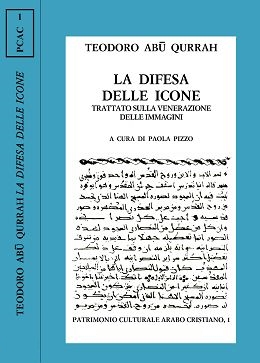
Teodoro Abū Qurrah, La difesa delle icone. Trattato sulla venerazione delle immagini, introduzione, traduzione, note ed indici a cura di Paola Pizzo (1995), 192p. (esaurito) isbn 9788816403840
During the
iconoclastic period, an Arab bishop defended the cult of the holy icons in the face of opposition from Christian iconoclasts, Jews, and Muslims. Theodore’s courageous apology drew upon the sacred texts, patristic writings, and the tradition of the Church to refute the imperial policy of iconoclasm then dominant in Constantinople. Theodore also directly engages the text of the Koran itself and the sayings attributed to Mohamed, extending his argument to include a refutation of Islamic opposition to the holy images.
- Details
- Category: PCAC Series (EN)
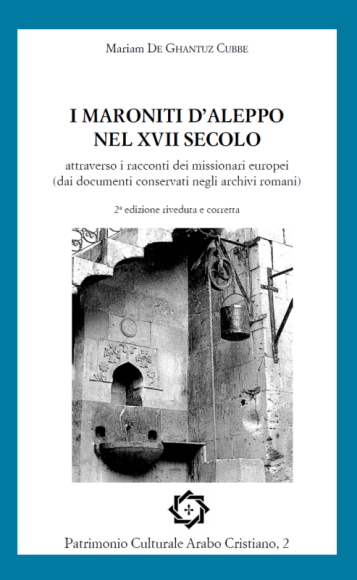
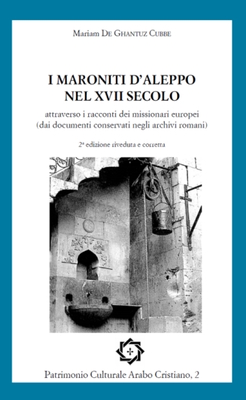
Mariam de Ghantuz Cubbe, I Maroniti d’Aleppo nel XVII secolo, attraverso i racconti dei missionari europei (dai documenti conservati negli archivi romani)
2a edizione riveduta e corretta, 257p., Bologna: Edizioni del Gruppo di Ricerca Arabo-Cristiana, 2020.
isbn 9791280091017
In the 17th century, a community of Catholic Maronites was confronted by Latin rite Catholic missionaries animated by Counter Reformation fervor. Unprepared to deal with people formed by historical and cultural conditions so different from their own, the missionaries brought confusion to Aleppo. This account drawn from previously unknown documents describes the day to day anguish experienced by the community.
- Details
- Category: PCAC Series (EN)